 GBP
 Čeština
 English
 Slovenčina
 Magyar
 Polski
 Deutsch
 Austria
 Slovenija
 Italiano
 Français
 Español


PDRN in cosmetics: What is it and why does Korean skincare love it?
BB-cream.cz 26. 10. 2025 Blog
What is PDRN?
PDRN (Polydeoxyribonucleotide) is a biologically active ingredient obtained from salmon or trout DNA. These are nucleotide fragments that can stimulate natural cell regeneration, improve healing, and support collagen production. In medicine, PDRN has long been used to treat burns, scars, and skin injuries – and it has now found a firm place in cosmetics too.
How does PDRN work in cosmetics?
PDRN works deep within the skin, where it activates DNA repair and supports the renewal of damaged cells. Thanks to this, it:
- speeds up the healing of irritated or damaged skin,
- improves skin elasticity and firmness,
- stimulates collagen production,
- reduces fine lines and signs of ageing,
- evens out skin tone and helps reduce pigmentation,
- strengthens the skin barrier and hydration.
The result is smoother, firmer, healthy-looking skin.
“Plant-based” PDRN and the VT Cosmetics brand
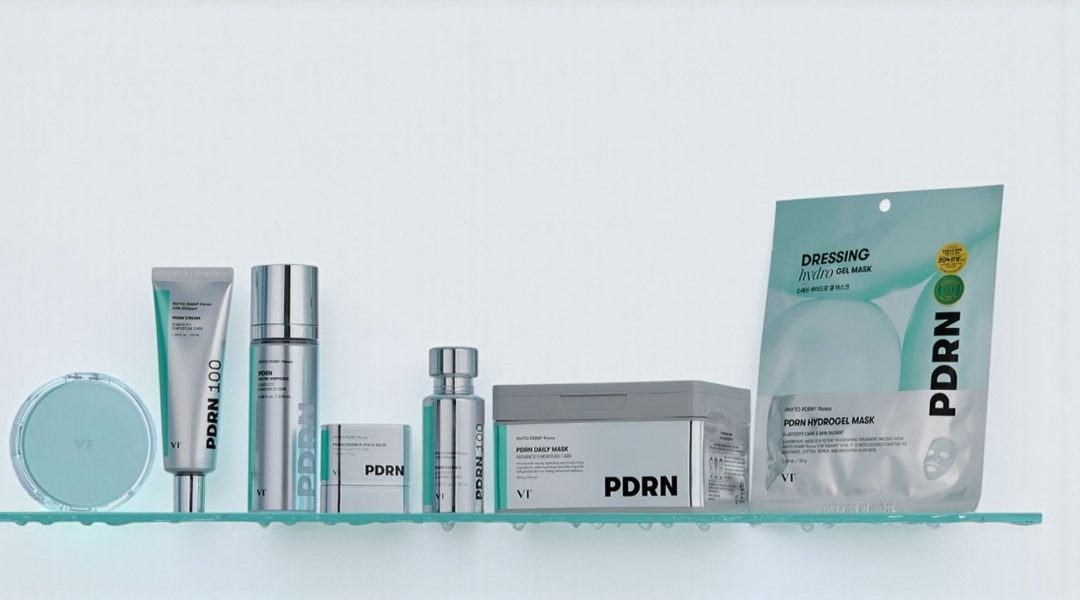
The brand VT Cosmetics uses vegan-sourced PDRN (PHYTO PDRN®) in its PDRN products, derived from wild Korean ginseng (Panax ginseng) instead of the commonly used fish-derived PDRN.
For example, PDRN Essence 100 is “infused with PHYTO PDRN® derived from wild ginseng, to support skin elasticity”.
With this step, the brand positions itself as a product aimed at the “luxury” or technologically refined skincare segment – combining traditional Korean herbal care (ginseng) with modern biotechnology (PDRN).
Who is PDRN suitable for?
This ingredient is ideal for all skin types, but those who will appreciate its effects the most are:
- mature skin with loss of elasticity and wrinkles,
- damaged or sensitive skin (e.g. after acne, dermatological procedures, or sunburn),
- skin with pigmentation or small scars,
- dry and weakened skin with a compromised barrier.
Despite its strong effect, PDRN is very well tolerated – it does not clog pores and does not cause irritation.
PDRN can be easily combined with hyaluronic acid, ceramides, or peptides – these combinations are often found in Korean cosmetics.
Korean and Japanese products with PDRN worth trying
More and more products with this ingredient are appearing in K-beauty, especially from brands such as VT Cosmetics with their “Plant-based PDRN” range. You will commonly find these products in the form of:
- regenerating serums,
- post-dermatological treatment creams,
- sheet masks,
- ampoules to support healing after acne.
Who is PDRN not suitable for, and what to watch out for?
Although PDRN is considered a gentle and well-tolerated ingredient, there are situations where it is better to consider its use or avoid it temporarily:
- Allergy to fish products or the marine origin of the ingredient – most PDRN is obtained from salmon DNA. In people with fish or seafood allergies, there may be a risk of irritation or hypersensitivity. (An exception is plant-based PDRN – e.g. ginseng PHYTO PDRN® from VT Cosmetics.)
- Open wounds, active infections, or weeping eczema – in these cases, it is best to wait until the skin has calmed down and, if needed, consult a dermatologist
- Very oily, acne-prone skin in an inflamed state – PDRN does support healing after acne, but it is not an ingredient that addresses active inflamed spots. In this case, exfoliation, BHA acids, or lightweight niacinamide products should take priority.
- Pregnancy and breastfeeding – there are not enough studies confirming the safety of PDRN during these periods, so caution and consultation with a doctor are recommended.
- People with autoimmune diseases or after serious skin procedures – since PDRN stimulates cellular activity, it is advisable to consult a dermatologist on whether its use is safe
Why include PDRN in your skincare routine?
- Supports natural cell renewal and healing.
- Reduces and smooths wrinkles, improves elasticity, and hydrates.
- Suitable even for sensitive or irritated skin.
- VT Cosmetics offers “vegan” ginseng-derived PDRN — a modern twist on a traditional Korean herb.
- Works as a bridge between medicine and cosmetics – so-called “skin healing technology”.